The High Cost of the Silent Phone: How Medical and Dental Clinics Can Stop Losing Patients After Hours
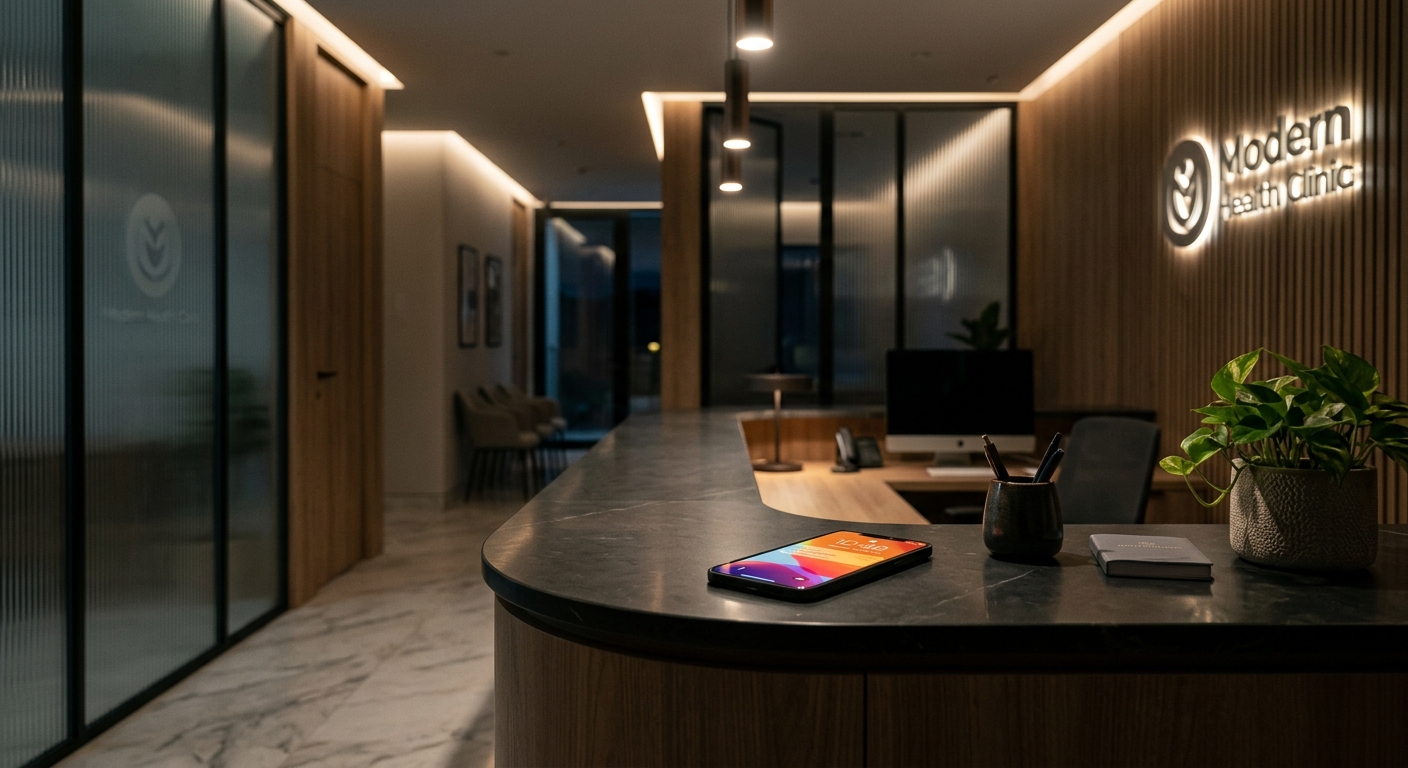
Imagine this common scenario. It is 7:45 PM on a Tuesday evening. A prospective patient breaks a tooth during dinner, or a busy parent finally sits down after putting the kids to bed to arrange a routine pediatric checkup. They pull up your clinic website, tap the phone number, and wait.
Instead of a warm voice or an immediate booking option, they hit a dead end. They reach a generic voicemail box or an outdated answering service that merely takes a message and promises a callback by noon tomorrow.
What does that caller do next? In almost every case, they do not wait until morning. They open a search engine, find another qualified provider nearby, and keep calling until someone or something books them an appointment right then and there.
According to research by the Medical Group Management Association (MGMA), over thirty percent of healthcare-related inquiries occur outside standard business hours. When your clinic doors lock at 5:00 PM, a third of your prospective revenue is still walking up to your virtual front desk. If nobody answers the door with an actionable solution, those high-value patients simply walk away.
Why Traditional Answering Services and Voicemail Fall Short
For decades, clinics relied on two basic methods to handle after-hours inquiries: voicemail and outsourced third-party call centers. Today, both solutions fail to meet modern patient expectations.
Voicemail creates unnecessary friction. Most callers under fifty rarely leave voicemails anymore, and even when they do, the delay in responding is fatal to patient conversion. A landmark study published in Harvard Business Review noted that organizations responding to potential leads within five minutes are nearly one hundred times more likely to connect and convert them than those waiting even thirty minutes. By the time your front desk listens to a night's worth of voicemails at 8:30 AM, your hottest leads have already scheduled care with a competitor.
Traditional answering services offer a human voice, but they are often constrained by strict scripts and a complete lack of system integration. An operator can write down a patient name and phone number, but they cannot answer specific questions about insurances accepted, pre-procedure instructions, or live schedule availability. The caller still hangs up without a confirmed appointment slot on their calendar, leaving them feeling insecure about their choice.
The Financial Reality of Missed Patient Calls
To understand the true cost of missed calls, you have to look at the lifetime value of a patient. In a typical dental practice, a new patient brings in anywhere from $700 to $1,500 in their first year alone. Lifetime value often exceeds $5,000 when accounting for hygiene visits, restorative work, and family referrals. Specialized medical clinics like orthopedics, dermatology, or chiropractic care see similar or higher initial case values.
If your practice misses just four after-hours calls a week that could have converted into new patient exams, you are letting roughly four new patients slip away every seven days. Over a full year, that adds up to more than two hundred lost appointments. Multiply that by even a conservative initial value of $800 per patient, and your clinic is quietly losing over $160,000 annually in top-line revenue.
This loss is entirely preventable. It does not stem from poor clinical care or a bad local reputation; it happens solely because your communication pipeline closes when your staff goes home.
Practical Steps to Stop the Revenue Leak
Fixing your clinic's after-hours capture does not mean forcing your front desk staff to work overnight shifts or pay high overtime rates. Instead, smart practice operators deploy modern communication protocols that capture, qualify, and convert patients automatically.
First, audit your current incoming phone traffic. Track how many calls enter your main line between 5:00 PM and 8:00 AM, and note how many turn into actual messages versus immediate hang-ups. You will likely find that most callers drop off as soon as they hear an automated recording.
Second, introduce instant text-back triggers. When a missed call hits your main line after hours, an automated system can instantly text the caller back: "Sorry we missed your call! Would you like to schedule an appointment online right now?" This immediate touchpoint keeps the patient engaged before they open a new search tab to look for another office.
Third, provide self-service online scheduling directly on your website. Patients want convenience. Giving them direct access to real-time open slots lets them book on their own terms without waiting for a confirmation phone call the next morning.
Automating Your Front Desk Without Sacrificing Patient Care
The most effective way to eliminate after-hours revenue loss is by adopting an intelligent, automated system designed specifically for local service practices. Modern AI phone-answering systems and website chatbots allow clinics to handle incoming traffic 24 hours a day, 7 days a week, without adding headcount.
Unlike old-school call centers, an advanced AI communication platform greets callers in a warm, natural conversational tone. It answers common patient questions regarding office location, accepted insurance plans, and service offerings. More importantly, it integrates directly with your scheduling system to book appointments instantly while the patient is engaged on the phone or on your website.
When you implement intelligent AI phone answering and interactive web chat, your practice stops losing high-value procedures to slow response times. Your front desk staff arrives each morning to a populated calendar rather than a pile of stressful voicemails. If you are ready to capture every patient inquiry and protect your practice revenue around the clock, exploring an automated AI call-answering and booking platform is the single highest-return step you can take this year.