Never Miss Another Lead: How AI Receptionists Help Small Businesses Capture Revenue
The High Price of an Unanswered Call
Picture this: It is 6:15 PM on a Tuesday evening. A homeowner walks into their basement and finds two inches of standing water surrounding their hot water heater. Panic sets in. They pull out their phone, search for a local plumber, and hit call.
The phone rings five times before sending the customer straight to a generic voicemail box. Instead of leaving a message, the homeowner hangs up immediately and taps the next search result. The second plumbing company answers on the first ring, books the emergency call, and secures a $2,800 repair job in less than three minutes.
If you run a service business, this story should sound uncomfortably familiar. Whether you operate an HVAC company, a roofing business, a dental clinic, or an electrical service, your phone is the heartbeat of your business. Yet, thousands of dollars in potential revenue slip through the cracks every single week simply because nobody is available to pick up the phone or respond to a web inquiry right away.
The Hidden Math Behind Lost Revenue
Missed calls are not just a minor inconvenience. They are a direct drain on your bottom line. Industry statistics show that roughly 62 percent of incoming calls to service businesses go unanswered or are placed on hold for too long. Even worse, research indicates that up to 85 percent of people whose calls go to voicemail will not bother leaving a message. They simply move on to your closest competitor.
To put this into perspective, calculate your average customer value. If a single job brings in $800 in revenue and your business misses just three calls a week, you are losing nearly $10,000 every month. Over the course of a year, that adds up to $120,000 in lost revenue. That is money you already spent marketing dollars to acquire, handed over to a competitor on a silver platter.
Speed-to-Lead: Why Five Minutes Matters
The modern consumer expects instant gratification. A classic study published in the Harvard Business Review revealed that companies responding to customer inquiries within five minutes are nearly 100 times more likely to connect and qualify a lead than those waiting 30 minutes.
When a homeowner or client reaches out, they are looking for a solution to an immediate problem. They do not want to wait until morning for an email reply or wait hours for a callback. When speed-to-lead drops, booking rates collapse. If your front desk team is busy helping a walk-in customer, driving between job sites, or off the clock for the evening, those high-intent leads dry up fast.
The Rise of 24/7 AI Phone Answering and Booking
For years, business owners tried to solve this problem with traditional answering services or third-party call centers. However, human call centers often come with high overhead costs, long hold times, inconsistent script quality, and difficulty integrating directly into your scheduling software.
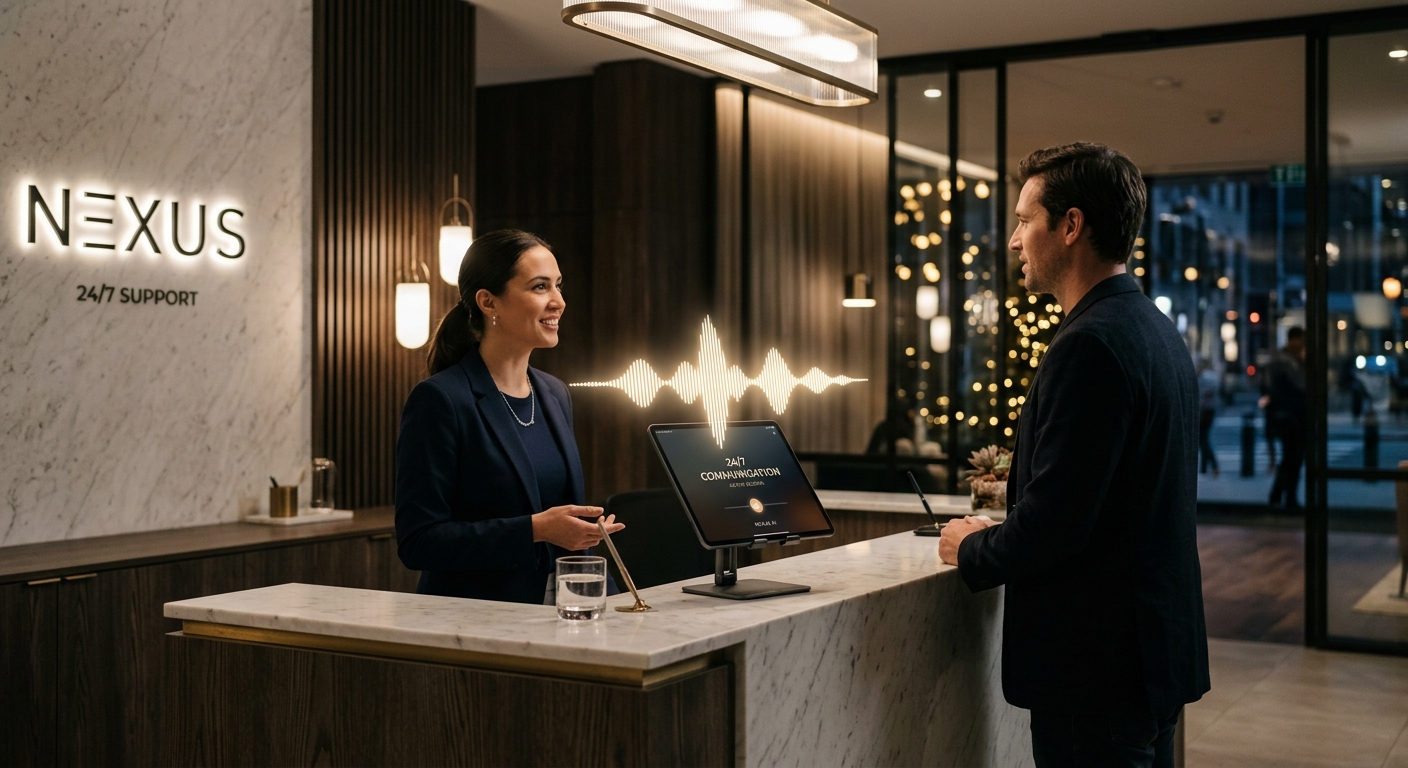
This is where modern AI receptionists are changing the equation. Today's artificial intelligence voice platforms can answer incoming phone calls instantly, 24 hours a day, 365 days a year. Unlike old interactive voice response systems that force callers through frustrating numerical menus, current conversational AI listens, understands natural speech, answers specific questions, and actively books appointments directly into your existing CRM or calendar.
Furthermore, pairing voice AI with an intelligent website chatbot ensures that customers reaching out via text or web browser get the same instant, high-touch response. Whether a prospect prefers to call at 10:00 PM or send a message on Sunday afternoon, their request is captured and scheduled immediately.
Practical Steps to Plug the Leaks in Your Sales Pipeline
If you want to protect your business from missed opportunities and scale your revenue, consider implementing these concrete steps:
- Audit your missed call data: Look at your phone logs for the past 30 days. Pay close attention to calls received after business hours, during lunch rushes, or while your team is on job sites.
- Calculate your speed-to-lead: Track how long it takes your staff to respond to digital inquiries or missed calls. If your average response time is over ten minutes, you are losing money.
- Automate initial contact: Ensure that every incoming call or text receives an immediate response, whether through automated text-back tools or a voice assistant.
- Enable direct calendar booking: Do not make leads wait for a phone rep to confirm a time slot. Let them secure a booking on the spot.
Never Let Another Lead Slip Away
In the service industry, the business that responds first almost always wins the work. Relying solely on staff to catch every phone call during busy hours or relying on voicemail after hours is an expensive gamble.
By embracing intelligent phone-answering and website chatbot technology, service businesses can ensure every call is answered on the first ring, every lead is qualified, and appointments are booked around the clock. If you are ready to capture every call and turn missed opportunities into reliable revenue, it is time to explore how an automated AI receptionist platform can transform your customer communication today.