How Emergency HVAC Contractors Handle 2 AM Service Calls Automatically
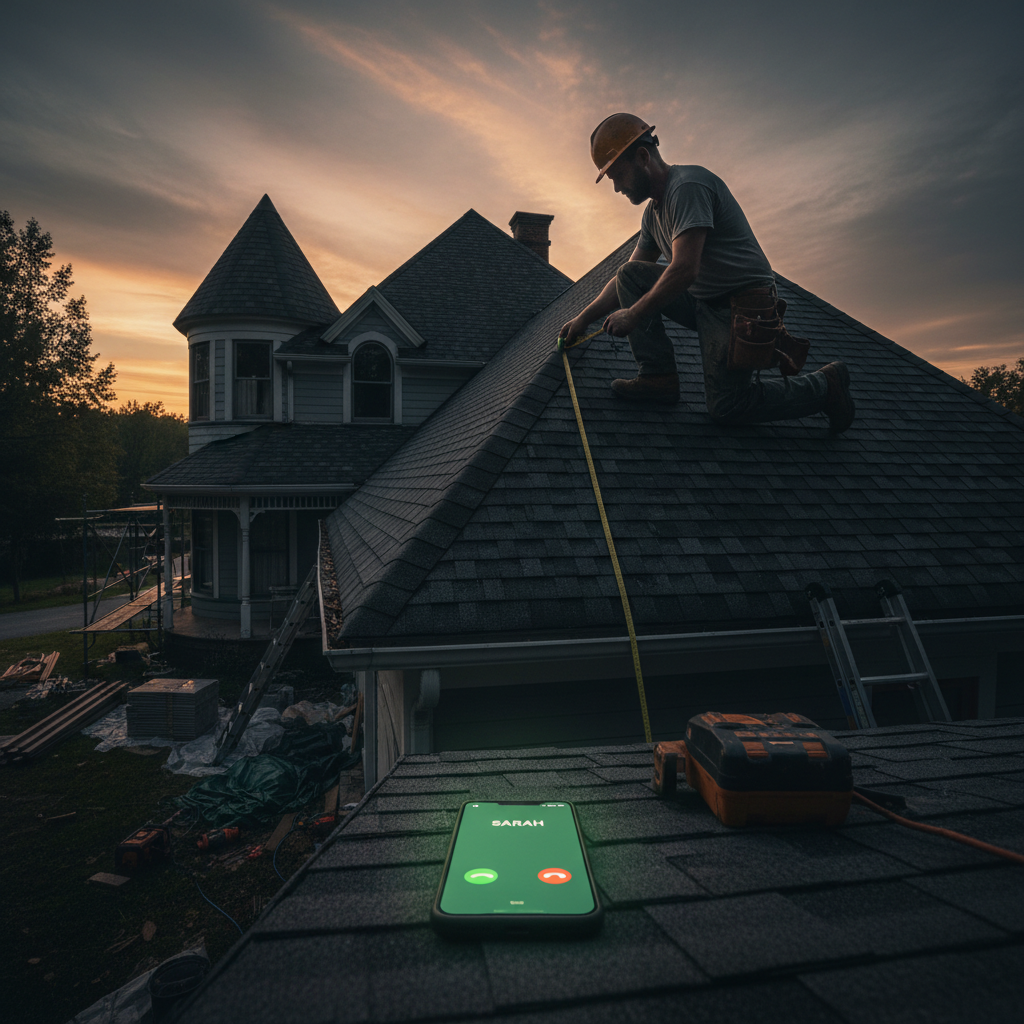
It is 2:15 AM on a freezing Tuesday in January. A homeowner wakes up to a frigid house, realizing their furnace has quit. Outside, temperatures are hovering around ten degrees, and frozen pipes are a very real threat. Panicked, they grab their phone, search for emergency furnace repair, and call the first HVAC business on the list.
If that phone call goes to a generic voicemail, what happens next? The customer hangs up and immediately dials the next contractor down the list. They will not leave a message, and they certainly will not wait until 8:00 AM for your office staff to check the inbox.
For HVAC contractors, after-hours emergency calls represent some of the highest-margin, highest-value jobs in the industry. Yet, handling late-night calls has historically been an operational headache. If you wake up your technicians for every ringing phone, you burn them out. If you hire a traditional answering service, you often end up paying high monthly fees for agents who read rigid scripts, misspell customer addresses, or fail to dispatch correctly.
There is a better way. Modern HVAC contractors are using automated, AI-driven call handling and web chat systems to capture every single 2 AM call without waking up the entire crew for non-emergencies.
The Financial Cost of a Missed Midnight Call
Every missed service call during off-hours is a direct hit to your bottom line. An emergency HVAC dispatch call often commands a premium service fee, with ticket prices frequently ranging from $400 to well over $1,500 depending on the repair needed. Beyond the initial job, emergency callers are often desperate and ready to buy. Converting an emergency call frequently leads to long-term maintenance contracts or complete system replacements down the road.
Data consistently proves that speed is the single biggest factor in winning these jobs. A study published in the Harvard Business Review found that businesses that attempt to contact potential leads within five minutes are significantly more likely to convert them compared to those who wait even thirty minutes. Furthermore, research from Lead Response Management indicates that up to 78% of customers purchase from the vendor that responds to their inquiry first.
When a homeowner experiences a heating or cooling emergency at two in the morning, their buying decision is driven entirely by response time. If you do not answer immediately, you lose the job.
The Problem with Traditional After-Hours Systems
HVAC contractors traditionally relied on two main methods to handle midnight calls:
- The On-Call Technician Model: Rotating your technicians or yourself to take live phone calls all night. This leads to sleep deprivation, poor job satisfaction, high employee turnover, and groggy customer interactions. Worse yet, technicians often miss calls because they are asleep or on another job.
- Traditional Call Centers: Hiring a third-party answering service. While this keeps your techs from waking up unnecessarily, traditional call centers present their own problems. Representatives often lack trade-specific knowledge, misdiagnose issues, take incomplete messages, or fail to follow dispatch protocols correctly.
Both methods leave massive operational gaps where qualified, high-ticket leads slip through the cracks.
How Automated AI Answering Works at 2 AM
Automated AI phone answering and interactive web chat platforms bridge the gap between high-quality customer service and operational efficiency. Here is how a top-tier automated emergency response workflow operates when a call comes in at 2 AM:
Instant Greeting and Intelligence: The AI answers the call on the first ring with a clear, professional tone customized to your brand. It listens to the customer's problem in real time using natural conversation, not clunky press-one-for-sales menus.
Smart Triage and Qualification: The system asks targeted questions to determine if the issue is a genuine emergency. For example, a complete heating failure during sub-zero weather is flagged as an urgent priority, whereas a minor squeaking noise in a working unit is identified as a routine service request.
Automated Scheduling and Context Capture: For non-urgent requests, the system offers the customer available appointment slots for the next morning and books them directly into your schedule. For true emergencies, it collects essential details including full name, street address, equipment brand, and a detailed description of the problem.
Intelligent Emergency Escalation: Once a verified emergency is logged, the system follows your exact protocol. It can trigger an urgent notification to your designated on-call technician via automated phone call or text message, sending all captured details directly to their phone. If the primary tech does not confirm receipt within ten minutes, the system automatically escalates the call to your backup technician.
Immediate SMS Confirmation: Simultaneously, the customer receives an automated text message confirming that an emergency technician has been alerted and provides expected response times, putting their mind at ease immediately.
4 Steps to Automate Your After-Hours Lead Capture
Setting up an automated after-hours response system does not require a complex overhaul of your operations. Here are four practical steps to implement right away:
Step 1: Define Emergency Criteria: Document exactly what constitutes an immediate emergency (such as total loss of heat below freezing, active water leaks, or safety hazards) versus routine maintenance.
Step 2: Build Your Escalation Tree: Map out who should be alerted when an emergency occurs. Establish clear rules for backup personnel if the primary technician does not respond.
Step 3: Connect to Your Scheduling Platform: Ensure your answering technology syncs directly with your field service software so appointments appear on your dispatch board automatically.
Step 4: Capture Web Visitors Simultaneously: Many homeowners prefer to search online rather than call. Implement an intelligent website chatbot that asks the same qualifying questions and captures late-night web traffic in real time.
Never Lose a High-Value Service Call Again
You work too hard and spend too much on marketing to let high-ticket emergency leads vanish into voicemail at night. By putting an intelligent, automated answering system to work for your service business, you protect your revenue, improve customer satisfaction, and give your technicians the rest they need.
If you are ready to stop losing thousands of dollars every month to missed calls and slow follow-up, it is time to upgrade your lead capture system. Our AI-powered phone answering and website chatbot platform answers every call instantly, qualifies high-value emergency leads, and books appointments around the clock so your business never misses an opportunity. Contact us today to see how automated lead capture can transform your operations.