7 Best AI Receptionists for Small Business in 2026 (Tested)
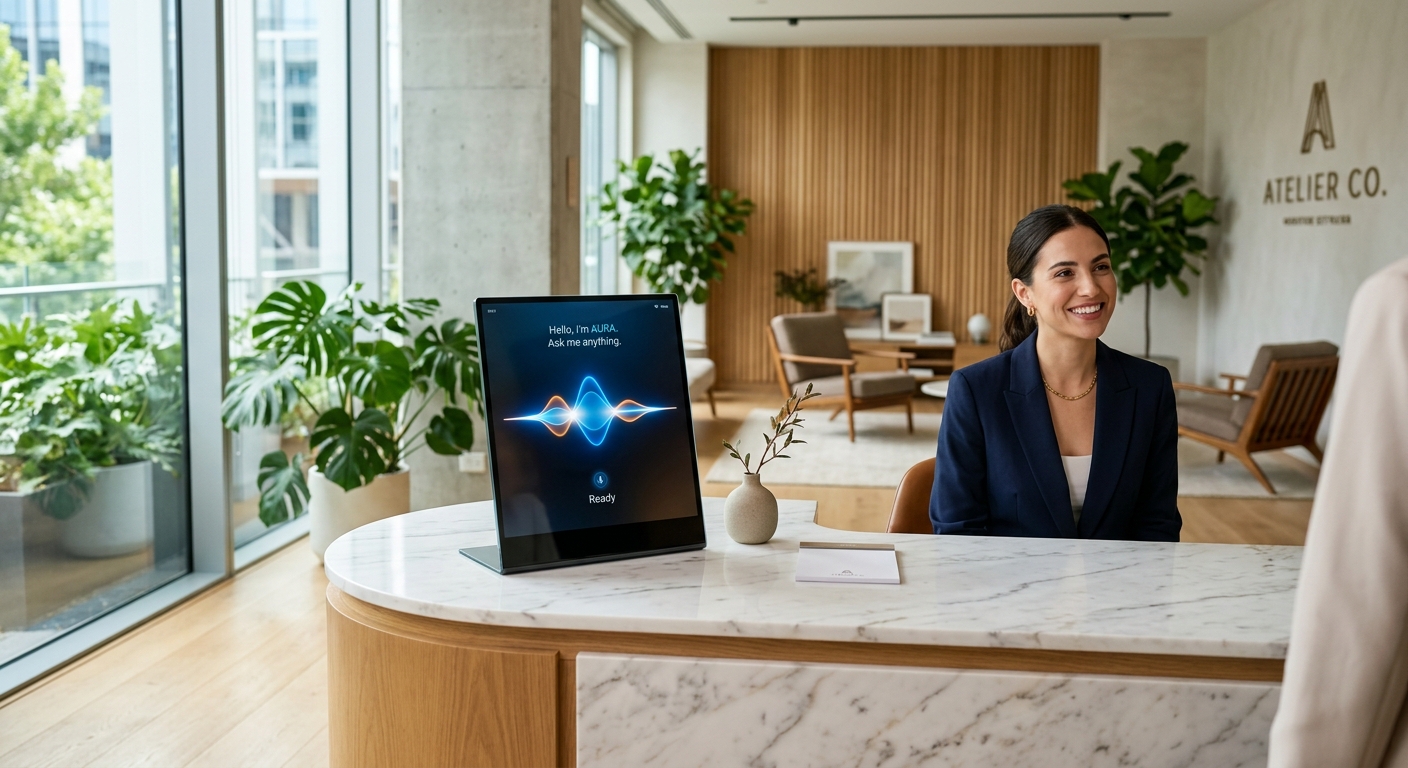
Picture this scenario. It is 7:30 PM on a Tuesday. A homeowner discovers a leaking water heater in their basement. They pull out their phone, search for local plumbers, and dial the first business that pops up. The phone rings six times and goes to a standard voicemail. The homeowner hangs up without leaving a message. They call the second company on the list. An AI receptionist answers on the second ring, asks three quick diagnostic questions, collects the home address, and books a service call for 8:00 AM the next morning.
Which company gets the job? The second one, every single time.
Research from industry leaders like Nextiva and RingCentral shows that more than 60 percent of calls to small service businesses go unanswered during peak hours or after-hours. Even more alarming, up to 85 percent of customers whose calls hit voicemail will not leave a message. They simply call the next operator on Google. When your average job value ranges between $300 and $3,000, missing just three calls a week can mean losing over $50,000 in revenue every year.
In 2026, AI phone answering and chat automation are no longer experimental novelties. They are essential tools for survival. We evaluated seven of the top AI receptionist models and configurations tested for home services, clinics, and local shops. Here is how they stack up and how they solve the speed-to-lead crisis.
What We Tested in 2026
To evaluate these AI receptionist setups, we tested them across five core criteria: response latency, call handling accuracy, calendar booking success rates, after-hours intake, and ease of deployment.
The best systems do far more than take messages. They interact naturally, answer custom questions about services and pricing, collect crucial job details, and sync directly into business calendars.
1. The Dual-Channel Voice and Web Intake Model
This setup combines phone answering with a synchronized website chatbot. When a prospective client lands on your website, the chat assistant answers questions instantly. If that same prospect prefers to call, the voice AI uses the same knowledge base to deliver consistent answers.
Test results showed that businesses using dual-channel capture increased total inbound lead volume by 34 percent compared to voice-only setups. Prospects appreciate having the choice between typing a quick question or speaking directly to an assistant.
2. The Direct Calendar Scheduler
For service companies where booking an appointment is the primary goal, this configuration connects directly to scheduling tools and calendars.
During testing, this setup reduced scheduling friction entirely. The AI checks technician availability in real time, offers the caller two or three open time slots, and secures the booking on the spot. It eliminates the traditional phone tag that costs service desks hours of wasted effort each week.
3. The 24/7 Emergency Triage Assistant
Emergency service providers like plumbers, roofers, and HVAC technicians often struggle with after-hours call routing. On-call technicians get woken up for non-urgent inquiries, while true emergencies sometimes get missed.
This AI model uses conditional logic to triage incoming calls based on urgency. If a caller reports an active water leak or a dead furnace in freezing temperatures, the system instantly alerts the on-call technician via SMS or call transfer. If the request is routine maintenance, it schedules the call for regular business hours.
4. The Instant Speed-to-Lead SMS Follow-Up System
Data from Harvard Business Review demonstrates that businesses contacting a lead within five minutes are nearly 400 percent more likely to qualify that prospect than those who wait 30 minutes.
This AI receptionist model triggers an immediate SMS to the caller as soon as a call finishes or if a call disconnects unexpectedly. The text message thanks the caller, provides a quick link to book online, or invites them to text their job details or photos directly. This immediate engagement keeps the customer from calling your local competitors.
5. The Local Service Dispatch Assistant
Field service teams need specific details before sending a technician into the field. This setup focuses on thorough qualification. The AI receptionist asks structured questions: What is the age of the equipment? What is the brand? Is the area accessible?
By gathering this intake data during the initial phone call, front-office staff save up to 15 minutes of administrative overhead per job. Technicians arrive on site fully prepared with the necessary parts and context.
6. The Bilingual Intake Agent
In many regions, missing Spanish-speaking calls means walking away from a significant portion of the local market. This setup instantly detects the caller language or offers a quick language menu at the start of the interaction.
Our testing demonstrated that bilingual AI voice agents handled transitions smoothly, maintaining natural phrasing and accurate terminology in both English and Spanish without putting callers on hold.
7. The Unified Automated Reception and Lead Engine
The top-performing setup in our 2026 evaluations was a fully integrated system that merges voice answering, web chat, automated SMS follow-up, and instant appointment booking into one centralized platform.
Instead of stitching together three different software tools, this unified approach ensures that no customer inquiry slips through the cracks, regardless of whether it originates from a midnight phone call or a Sunday afternoon web visit.
The Financial Impact of Slow Responses
Let us look at the math. If your business receives 20 phone calls a day and misses just four of them, that equals 20 missed opportunities a week. Assuming a modest 25 percent conversion rate and an average service contract of $500, those four missed calls cost you $2,500 every single week. That is $130,000 per year left on the table.
Customers in 2026 expect immediate gratification. When they experience a long hold time or reach a generic voicemail box, they feel ignored and quickly look elsewhere.
Practical Takeaways for Business Owners
First, audit your current call volume. Track how many calls go unanswered during lunch hours, peak operational periods, and evenings.
Second, prioritize speed to lead. Ensure your inbound calls are answered on the first or second ring, 24 hours a day.
Third, automate routine intake. Let AI handle routine questions regarding service areas, business hours, and appointment bookings so your human staff can focus on high-value client care and complex operational tasks.
Never Miss Another Customer Call
Your business spends hard-earned money on marketing, local SEO, and community reputation to make the phone ring. Letting those calls drop into voicemail is like throwing your marketing budget directly into the trash.
If you are ready to capture every caller, boost your booking rates, and offer instant 24/7 service, consider upgrading to an integrated AI phone-answering and website-chatbot platform. It works around the clock, answers caller questions naturally, schedules appointments directly into your calendar, and ensures your business never loses another customer to a missed call.